
Somatic Hybridisation — Pomato: Protoplast Fusion of Tomato and Potato
✅ Asked in NEET 2026Arrange the steps of somatic hybridisation in correct sequence: A. Digestion of cell walls; B. Isolation of naked protoplasts; C. Fusion of protoplasts; D. Isolation of single cells from two varieties; E. Growing hybrid protoplast into a new plant.
Arrange the steps of somatic hybridisation in correct sequence: A. Digestion of cell walls; B. Isolation of naked protoplasts; C. Fusion of protoplasts; D. Isolation of single cells from two varieties; E. Growing hybrid protoplast into a new plant.
Answer & NCERT explanation
Correct answer: A — D, A, B, C, E
Somatic hybridisation sequence: isolate single cells from two varieties (D) -> digest cell walls (A) -> obtain naked protoplasts (B) -> fuse protoplasts to form hybrid (C) -> grow into a new plant (E).
Read more NCERT concept on the PYQ
Imagine a situation when a protoplast of tomato is fused with that of potato, and then they are grown – to form new hybrid plants combining tomato and potato characteristics. Well, this has been achieved – resulting in formation of pomato; unfortunately this plant did not have all the desired combination of characteristics for its commercial utilisation.
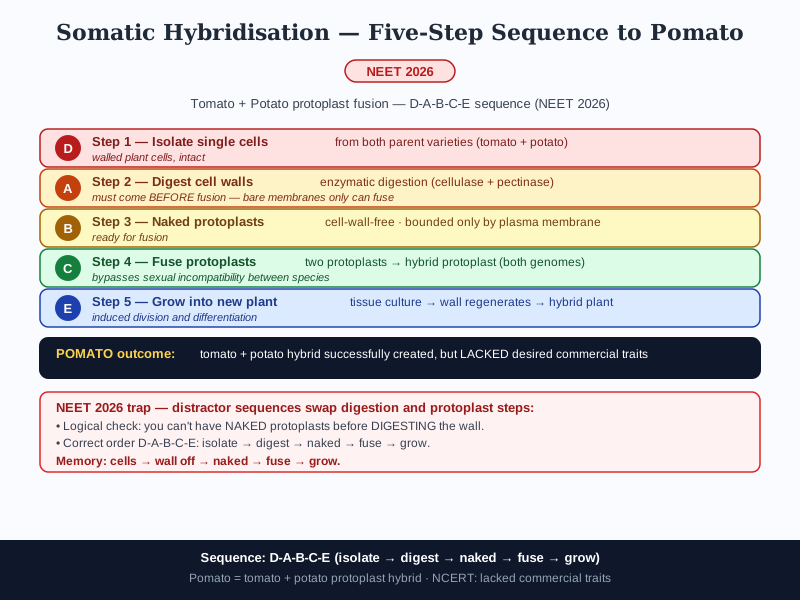
SOMATIC HYBRIDISATION fuses PROTOPLASTS (plant cells without cell walls) from two different plants to create a hybrid combining both parents' characteristics — bypassing sexual barriers. The classic NCERT example is POMATO — created by fusing protoplasts of TOMATO and POTATO. Unfortunately, the pomato did NOT have all the desired commercial characteristics. Step sequence: (1) isolate single cells from two parent varieties → (2) digest cell walls enzymatically → (3) obtain naked protoplasts → (4) fuse protoplasts to form a hybrid protoplast → (5) grow into a new plant via tissue culture. Protoplast fusion bypasses sexual incompatibility between species that cannot normally interbreed.
NEET 2026 tested the EXACT step sequence: D-A-B-C-E = Isolate cells (D) → Digest walls (A) → Naked protoplasts (B) → Fusion (C) → grow into plant (E). The order is critical — students who swap the digestion and isolation steps fail. Why pomato failed commercially: incompatible cytoplasmic-nuclear interactions, undesirable trait combinations, and chromosomal instability. The reverse-engineered logic: you can't get naked protoplasts WITHOUT first digesting the wall, and you can't fuse WITHOUT naked protoplasts first.
Somatic hybridisation begins with fusion of intact cells, followed by cell wall digestion and growth into a new plant.
Correct sequence: ISOLATE single cells → DIGEST cell walls → obtain NAKED PROTOPLASTS → FUSE protoplasts → GROW into new plant. Cell walls must be removed BEFORE fusion.
D-A-B-C-E: isolate → digest → naked → fuse → grow. POMATO = tomato + potato protoplast fusion (commercially failed).
- Somatic hybridisation = fusion of protoplasts from two different varieties/species to create hybrids bypassing sexual barrier.
- Pomato = tomato + potato protoplast hybrid; NCERT acknowledges it did NOT have all desired commercial characteristics.
- Step sequence: isolate single cells → digest cell walls → obtain naked protoplasts → fuse → grow into plant.
- Cell wall must be REMOVED (enzymatically) before fusion — bare plasma membranes can fuse, walled cells cannot.
What is Somatic Hybridisation?
What did NEET 2026 ask on Somatic Hybridisation?
What is the most common NEET trap on Somatic Hybridisation?
How do you remember Somatic Hybridisation for NEET?
What are the key components of Somatic Hybridisation?
Through deep analysis of NEET and NTA, 176 of the 180 ReNEET 2026 (June 21) questions were already in the MedicNEET question bank before the exam.
176/180MedicNEET's Biology question bank is built from the same NCERT lines NTA picks repeatedly. Not random MCQs — questions crafted exactly like NTA crafts them.
You just learned this concept. The free app turns it into a daily goal built from your weak topics and brings it back just before you forget it — using active recall and spaced repetition — so it stays till exam day.